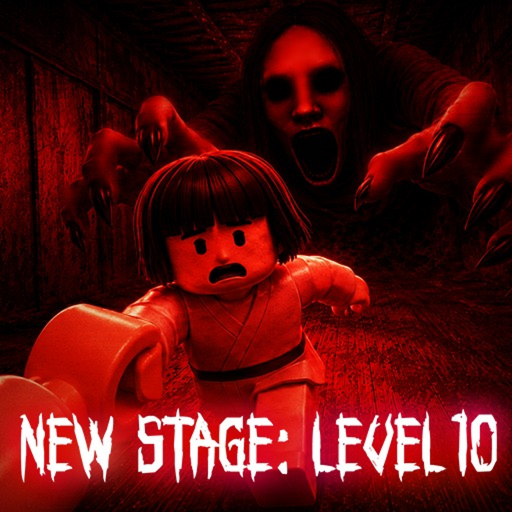
Atmosphere and Presentation
Audio design carries PETAPETA — floorboard creaks, distant howls, TV static bursts. Visuals favor readable horror over photorealism, keeping Roblox performance stable on mobile. Japanese hotel architecture feels researched: shoji doors, tatami, ofuda motifs, not wallpaper-deep "anime horror" parody.
School of Nightmares and Cursed Mine Island prove the engine supports alternate skins — lockers, pickaxes, altar ore — without diluting identity.
Gameplay Loop Quality
Procedural spawns extend replay value beyond scripted walkthrough games. Each floor teaches one new system before Level 5 synthesis — excellent pedagogical pacing until Level 6 difficulty cliff.
Weakness: fake online code lists confuse newcomers; in-game HUD copy is elegant but under-explained for first-time Roblox horror players.
Difficulty and Fairness
Levels 1–3 fair; Level 4–5 spike hard; Level 6 removes popper crutch intentionally. Extended 7–9 and Chapter 2 assume mastery — not casual friendly without co-op help.
Zeni economy rewards skill clears; Robux consumables optional but soften spikes responsibly if priced within farm reach.
Verdict — Who Should Play
Play if: You enjoy Pressure-adjacent hiding, Japanese horror aesthetics, procedural puzzles, and stamina-managed chases.
Skip if: You want pure chase shooters, fixed-speedrun routes only, or hate repeating floors after RNG code hunts.
Overall: strong 8/10 Roblox horror for committed players — use this wiki to skip misinformation and learn real mechanics fast.